The Crucial Role of a Sound Engineer in Music and Media Production.
- Blog /
- The Crucial Role of a Sound Engineer in Music and Media Production
Oct 22,2024
The Crucial Role of a Sound Engineer in Music and Media Production
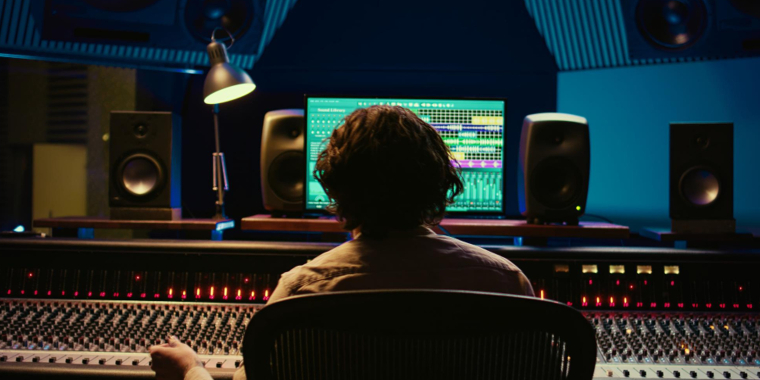
Behind every high-quality music track, film, podcast, or live event, there’s often a skilled sound engineer ensuring everything sounds flawless. While artists and performers typically take center stage, sound engineers work behind the scenes to create, shape, and enhance audio experiences. Their role is vital, combining technical expertise with creativity to bring out the best in any audio production.
Key Steps in Pre-Production:
What Does a Sound Engineer Do?
Recording : During the recording phase, sound engineers capture audio from instruments, vocals, and other sound sources. Whether it’s in a studio or on location, they set up microphones, use recording equipment, and adjust settings to capture clean, high-quality audio.
Mixing: Once the audio is recorded, sound engineers balance different elements such as vocals, instruments, and sound effects. They adjust levels, apply effects like reverb or delay, and fine-tune frequencies to ensure each sound is heard clearly and fits well with the rest of the mix.
Mastering: In music production, mastering is the final step before the track is ready for distribution. Sound engineers use mastering techniques to polish the overall sound, enhance the clarity and loudness, and ensure the track meets industry standards for playback across various platforms.
Sound Design: In music production, mastering is the final step before the track is ready for distribution. Sound engineers use mastering techniques to polish the overall sound, enhance the clarity and loudness, and ensure the track meets industry standards for playback across various platforms.
Live Sound Engineering: For concerts and events, sound engineers manage the live audio experience. They set up and operate sound systems, ensuring the audience hears clear, balanced audio. This includes mixing in real-time, managing microphone feedback, and adjusting levels depending on the venue acoustics and crowd size.
Maintenance: Sound engineers are also responsible for maintaining and troubleshooting audio equipment, ensuring that everything runs smoothly. They need a deep understanding of the technical gear they work with, from microphones and mixing consoles to digital audio software and amplifiers.
Essential Skills of a Sound Engineer
To be a successful sound engineer, one needs a combination of technical knowledge, creativity, and problem-solving abilities.
Technical Proficiency: Sound engineers must have in-depth knowledge of audio equipment and digital audio workstations (DAWs) such as Pro Tools, Logic Pro, or Ableton Live. They need to understand how sound travels, how to record it accurately, and how to manipulate it to achieve the desired outcome.
Critical Listening: A sound engineer must have an acute ear for detail. They need to be able to detect minor imperfections or subtle nuances in sound that can make a significant difference to the overall quality of the audio.
Creativity & Innovation: Sound engineers play a creative role, especially in sound design and mixing. They must think outside the box to create unique soundscapes, adjust effects, and experiment with different sound layers.
Problem Solving skills: Whether it’s fixing technical issues, troubleshooting sound quality problems, or adjusting to unforeseen challenges during live events, sound engineers need strong problem-solving skills to ensure the production runs smoothly.


Get Weekly Newsletters