The Art of Professional Video Production: From Concept to Completion
- Blog /
- The Art of Professional Video Production: From Concept to Completion
Oct 22,2024
The Art of Professional Video Production: From Concept to Completion
1. Pre-Production: The Foundation of Success
Concept Development : This is where the initial idea or message for the video is formed. Whether it’s a product launch, a brand story, or an instructional video, you’ll need to have a clear understanding of the purpose and the target audience. At this stage, brainstorming sessions and creative direction are crucial to shape the video’s tone and style.
Scriptwriting : A well-written script is the backbone of any professional video. It should outline not only the dialogue or narration but also the action, visual cues, and camera movements. A strong script ensures that everyone involved in the production has a clear understanding of the project.
Storyboarding: After the script, the next step is creating a storyboard. This visual representation of the video breaks down each scene, showing camera angles, movements, and transitions. It helps to visualize the flow of the video before shooting begins.
Casting and Crew: Whether you need professional actors, voiceover artists, or on-screen talent, the casting process ensures you have the right people for the roles. Additionally, assembling a skilled crew — from camera operators and directors to lighting technicians and sound engineers — is key to the success of the production.
Location Scouting and Set Design: Choosing the right location for shooting is crucial. Whether it’s an outdoor location or a studio, the environment sets the mood and can make or break the visual appeal of the video. Set design and props are also vital to enhance the authenticity of the scenes.
Scheduling: Creating a detailed shooting schedule helps ensure that everything runs smoothly during production. This includes setting shoot dates, booking locations, and making sure all talent and crew members are available. A well-organized schedule can save time and money.
2. Production: Bringing the Vision to Life
Once pre-production is complete, it’s time to move on to production — the stage where all the planning and preparation come together. This is where the actual filming takes place, and it's often the most exciting part of the process. Key Elements of the Production Phase:
Lighting and sound setup: Lighting is one of the most important aspects of video production. It creates the mood, highlights the subject, and enhances the overall visual quality. Likewise, capturing high-quality sound is essential. Poor audio can ruin even the most visually stunning videos, so sound engineers use specialized microphones and equipment to ensure crystal-clear audio.
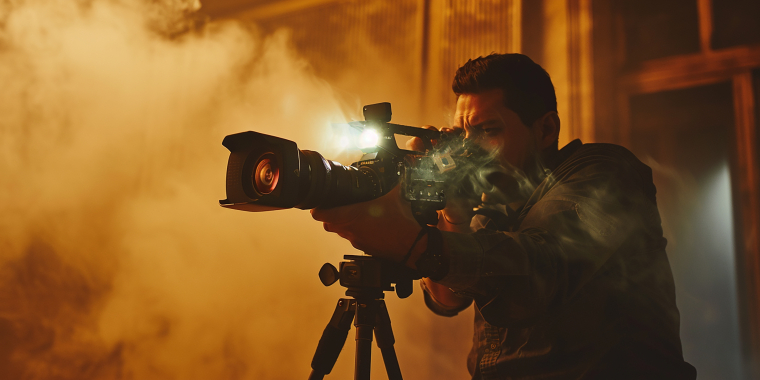
Camera Work: Professional camera operators use high-end equipment to capture the shots according to the storyboard. This can involve a range of cameras, from DSLRs to high-definition cinema cameras, depending on the project’s budget and requirements. The choice of camera angles, movements, and framing all contribute to the final look of the video.
Directing: The director plays a critical role in guiding the talent and crew to ensure the vision is realized. They’ll oversee performances, camera work, and other on-set dynamics, ensuring that the production stays true to the script and storyboard.
B-roll Footage: In addition to the main scenes, capturing additional footage (B-roll) is often necessary. B-roll helps add depth, context, and visual interest to the video. It can include shots of the environment, close-ups of details, or behind-the-scenes moments that can enhance the storytelling.


Get Weekly Newsletters